Every organization has one. The person who knows where everything is,
who can fix the system when it crashes, who stays late to save the
client and gets thanked at the all-hands. We call them our go-to people.
Sometimes we call them heroes.
I’ve spent a lot of my career helping organizations recover from
their heroes.
What hero culture looks like
Hero culture is what happens when an organization depends on
individual rescues instead of reliable systems. You’ll recognize it by a
few signs:
- Critical knowledge lives in one or two people’s heads.
- Projects succeed because someone works the weekend, not because the
plan was sound. - The same people get pulled into every crisis.
- Recognition goes to whoever fixed the fire, not whoever prevented
it. - When the hero is on holiday, things quietly stop.
None of this is the hero’s fault. Heroes are usually committed,
talented people responding to a system that rewards them for
rescuing.
The hidden costs
Bottlenecks. When everything routes through one
person, everything waits for one person.
Burnout. Heroes carry a load that isn’t sustainable.
Eventually they leave, or they stay and stop caring, which can be
worse.
Fragility. An organization that depends on heroes is
one resignation away from a crisis.
Stalled development. Everyone else learns that they
don’t need to grow, because someone will always step in.
Mixed signals. When you celebrate firefighting, you
teach people that crises are the way to get noticed.
How to move beyond hero
culture
You don’t fix hero culture by asking your heroes to do less. You fix
it by changing what the organization needs from them.
- Map your single points of failure. List the tasks,
systems and relationships that depend on one person. That’s your risk
register. - Turn heroes into teachers. Give your go-to people
time and credit for documenting, training and handing off. - Reward prevention. Recognize the person whose
planning meant no one had to stay late. - Spread decision rights. If only one person can
approve, fix or decide, add a second and third. - Watch your own rescues. Leaders are often the
biggest heroes of all. If you’re the go-to person, start with
yourself.
The goal isn’t fewer capable
people
The goal is more of them. A healthy organization still has standout
people. The difference is that they spend their energy building others
up instead of holding everything together.
I talked through this in more depth on Episode
25 of The Retaining Purpose Podcast, “The Problem With Hero
Culture”.
Where to go from here
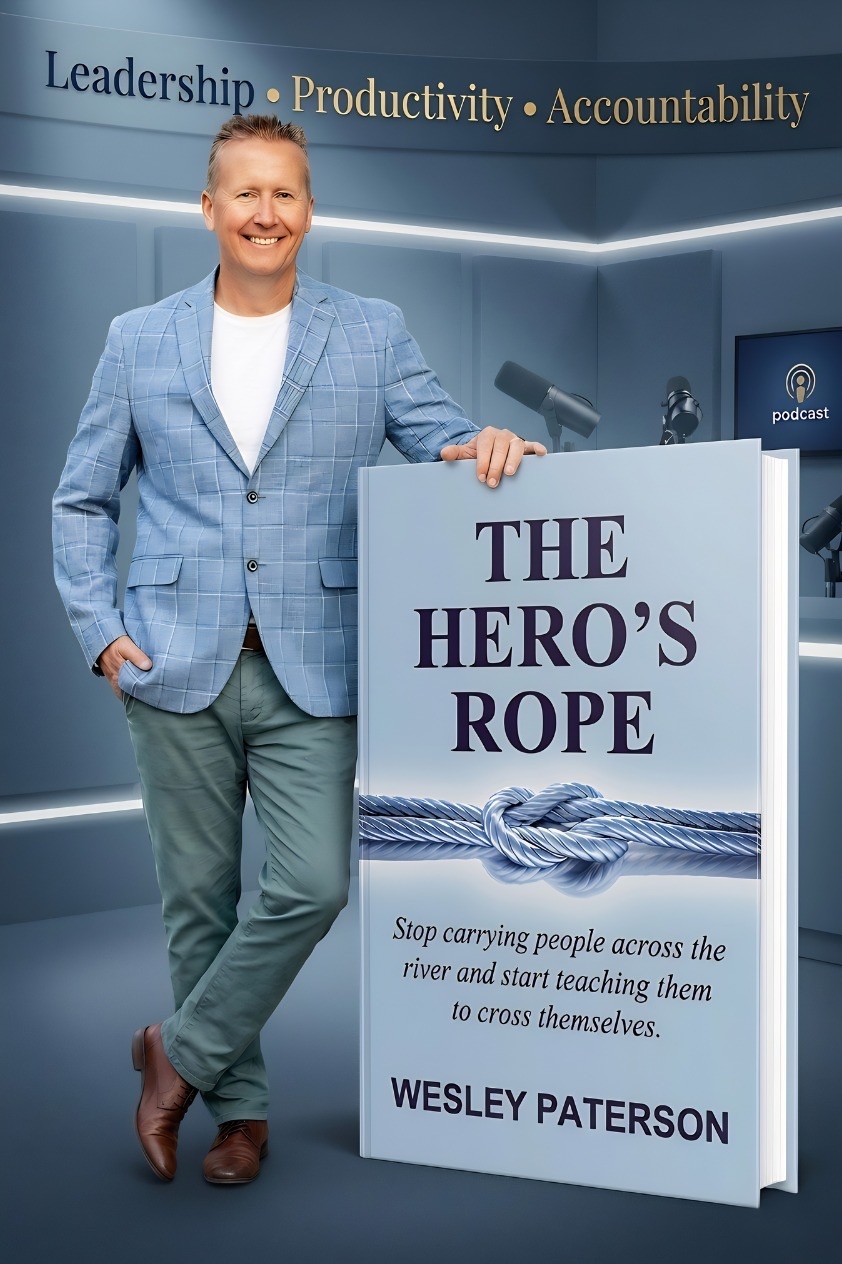
The Hero’s Rope is built around this exact problem: why
organizations reward rescuing, and how leaders can replace hero culture
with capability. 365 Days of Fire gives you one practical step
a day to make the shift.
- Read
about The Hero’s Rope - Preorder 365
Days of Fire - Bring the
Grab the Rope keynote to your organization
Wesley Paterson, CMC is a Canadian management consultant, keynote speaker, President of Paterson Consulting Inc., and author of The Hero’s Rope and The Hero’s Rope: 365 Days of Fire.